










Best Leadership Presentation Ideas
- Choose topics for effective presentations that speak to actual challenges faced by your team
- Structure content around one clear message for essential leadership training
- Use examples and scenarios to explain new leadership strategies
- Leverage tools like templates and AI to build your presentation
- Practice delivery until you can focus on connecting with your audience rather than your slides
- Present with clarity, authenticity, and genuine care for helping leaders succeed
A superb presentation can be the be-all and end-all of an effective leadership training strategy. But we’ve all been there. You are in front of your team with slides that should get aspiring leaders stocked with tactics and skills in leadership. After just five minutes, all you see are glazed eyes and subtle nail biting.
Closing the gap between presentations that fall flat and ones that get conversations going comes down to nailing down the topic and doing a bang-up job on the delivery. The ideas you present will either make your message stick or get tossed right out of the window. And this goes for every presentation, be it a boardroom pep talk, thesis defense, or a training retreat.
Today, I’m sharing fun leadership presentation ideas that actually work, and here’s what you will learn:
- Leadership topics that create impact during training sessions
- Structure an effective leadership presentation that engages your audience
- Use AI and templates to build compelling content
- Address real leadership challenges through effective presentations
- Get actionable ideas for leadership development activities
Why Do Creative Leadership Presentations Matter?
I’ve sat through enough pointless slide shows to know that not all leadership presentations deserve your eyeballs. But when done right, they can be essential components of effective leadership.
Think about the last presentation that changed how you manage. What made it different? The chances are good that the presenter wired principles for great leaders to real situations you face daily.
Great presentations can help blur the line between what good leaders should look like and how you can become one. They rope your team with a leadership skill set, shared language, and strategies that can help you handle the tough work of guiding people.
Playbook For Effective Leadership Communication
Communication makes or breaks everything in leadership. You can have great leadership strategies, but if you can’t communicate them clearly, they’re pretty much pointless.
Effective communication plants the seeds of clarity in a barren land of confusion. It’s the glue that holds together my leadership team and training. I’ve seen leaders supercharge their teams by rehashing how they communicate. That’s especially true when it comes to feedback, expectations, and vision.
A Great Presentation Idea Engages and Inspires
Aspiring leaders need to be inspired to add complex leadership skills to their fold. That’s why I always go for the best ideas that get eyeballs and hold attention.
You must present these ideas in a way that rouses the innermost feelings of your audience. Like the best presenters, I ask questions that make the listeners think about your leadership style and how to adapt it.
When building presentations, I ask myself: “Would I want to sit through this?” If not, I go back to the drawing board. It should do a topic so well that budding leaders are ready to put it to good use.
Leadership Presentations Drive Change
Your boardroom won’t change just because you’ve whipped up pretty slides. I’ve found that change happens when presentations are fun and give the audience awareness to see what needs changing and the tools to help them get there.
A change management presentation should peel beyond why change is happening. It should equip leaders with techniques for helping teams tide over uncertainty. The best leadership presentations address messy emotions and resistance on top of giving rational process steps.
Most Popular Leadership Presentation Themes

The best leadership training playbooks follow themes that speak to the pain points of the audience. Here’s what I highly recommend for your next training ideas and themes:
Tying Emotional Intelligence with a Leadership Style
If there’s one theme that doesn’t get the attention it deserves at development meetings, it’s EQ. The rule of thumb tells managers and executives to check their feelings at the door. But using emotions can enhance your leadership.
I worked with a team where senior leaders prided themselves on being “data-driven” and “objective.” On their end, however, team members felt unheard and undervalued.
Your presentation on this topic is essential for leadership success, especially when it comes to self-awareness, empathy, and emotional regulation. Successful leadership presentations use everyday scenarios that leaders actually face. Think of handling conflict or supporting a member through a personal crisis without blurring boundaries.
Leading Through Change
Change is constant. Leaders need practical strategies for guiding teams through it. But most change management presentations focus too much on process and not enough on people.
When presenting on leading through change, address psychological aspects. Discuss why people resist change (usually fear of loss, not stubbornness). Give leaders language for acknowledging resistance while moving forward.
Conflict Resolution in Leadership
Conflicts are part and parcel of leadership, and if you’re avoiding it, you’re not leading. The question isn’t whether you can handle conflict productively or let it fester.
Presentations on conflict resolution should give leaders actual techniques beyond platitudes about communication and respect. Include role-play scenarios if possible. Let leaders practice handling common conflicts: two team members who can’t work together, someone consistently missing deadlines, a high performer with a toxic attitude.
Decision-Making and Problem-Solving
Leaders have the onus of making dozens of decisions, be they small or big enough to reshape entire projects. Your presentation should introduce practical tools. We are talking about SWOT analysis for evaluating options and decision matrices for comparing alternatives. The same can be said of techniques for avoiding cognitive biases.
Don’t just present tools, either. Walk through your budding leaders and how to apply them to actual leadership challenges. Show how strategic planning becomes clearer with structured approaches to decision-making.
Trust and Transparency in Leadership
Trust is the foundation of everything in leadership, as teams won’t follow willingly without it. Yet trust is fragile and takes time to build.
I’ve seen ethical leadership presentations miss the mark by focusing on compliance and rules rather than how leaders build trust daily through small actions. Your presentation should address both big ethical dilemmas and everyday choices that build or erode trust.
Top Leadership Presentation Ideas
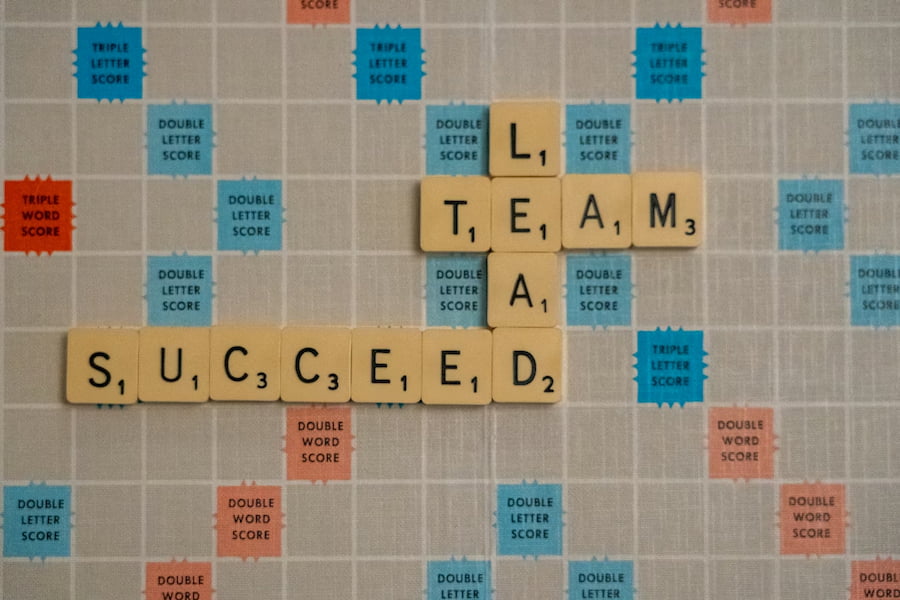
What are the best presentation topics? Let’s look at fun leadership topics for presentations that can make any team tick:
Leadership That Moves People Forward
Transformational leadership rehashes how teams work and lead. It’s all about inspiring and pepping up people over micromanaging tasks. A presentation on transformational leadership goes heavy on the four components:
- Idealized influence (aka being a role model)
- Inspirational motivation
- Intellectual stimulation
- Individualized consideration
I love that this leadership topic gives leaders permission to think bigger than everyday operations. It inspires them to ask: “How am I helping team members grow?” Not just: “Are tasks getting done?”
Building Resilience as a Leader
Leadership is hard. You face setbacks, criticism, failed initiatives, and situations testing your confidence. Resilience isn’t about being tough or never feeling discouraged. It’s developing the capacity to recover and keep leading effectively.
Include examples of leaders who faced big challenges and what they did to maintain effectiveness through difficult periods. Seeing respected leaders struggle and bounce back normalizes the experience.
Leading with Empathy and Compassion
Empathetic leadership means understanding what team members experience and responding in ways acknowledging their humanity. It’s different from sympathy (feeling sorry for someone) or being a pushover.
Your presentation ideas should include practical applications: checking in with team members genuinely, balancing compassion with accountability, supporting someone struggling without lowering performance standards.
This leadership style matters more as we recognize people bring their whole selves to work. Leaders who navigate personal challenges while maintaining team performance create loyalty and engagement transactional approaches never will.
Time Management and Leadership Efficiency
Here’s the truth most leaders don’t want to hear: if you’re constantly overwhelmed working 70-hour weeks, you’re probably not managing time well. Effective leadership requires working smarter, not just harder.
Presentations on time management for leaders should cover delegation (actually letting go of tasks), prioritization frameworks like the Eisenhower Matrix, and strategies for protecting time for strategic thinking rather than reacting to urgent requests.
Navigating Diversity and Inclusion in Leadership
Different leadership styles are needed for different people and situations. A diverse team brings varied perspectives, experiences, and problem-solving approaches, but only if leaders create environments where all voices are heard.
Your presentation should address unconscious bias, inclusive decision-making practices, and ensuring equity in opportunities and recognition. Go beyond surface-level diversity to discuss creating genuine belonging.
Accountability and Ethical Leadership
Accountability starts with leaders holding themselves to high standards. Ethical leadership means making choices based on principles, not just expediency.
When presenting on this topic, focus on daily decisions leaders make that build or destroy credibility. It’s not usually big, dramatic ethical violations that trip up leaders. It’s small compromises: taking credit for someone else’s work, avoiding difficult conversations, making promises you don’t keep.
More Leadership Presentation Topics | Additional Ideas for Leadership Training

Beyond core themes, several additional leadership topics deserve attention in training sessions.
1. Coaching and Mentoring in Leadership
Great leaders develop other leaders. That requires coaching and mentoring skills many people in leadership roles never formally learned. Distinguish between coaching (asking questions helping someone find their own answers) and mentoring (sharing your experience and advice). Both are valuable but different approaches used in different situations.
Include practical techniques: powerful questions promoting reflection, giving feedback that changes behavior, creating development plans aligning individual growth with organizational needs. Let leaders practice these leadership skills like active listening and questioning during sessions if possible.
2. Strategic Thinking for Effective Leadership
Strategic planning isn’t just for executives. Every leader needs the ability to think beyond immediate tasks to consider long-term implications and opportunities.
A strategic planning presentation should teach leaders to analyze trends, anticipate challenges, identify opportunities, and align team work with broader organizational goals.
3. Innovation and Creativity in Leadership
Innovation doesn’t just happen. Leaders need to create conditions where creative ideas can emerge and be tested without fear of failure.
Your presentation ideas might include brainstorming techniques, evaluating which ideas to pursue, creating psychological safety for risk-taking, and managing tension between innovation and maintaining current operations.
4. Building High-Performance Teams
Individual talent matters, but team dynamics determine whether talent produces results. Leaders need to understand assembling teams with complementary skills and creating environments where collaboration thrives.
In your presentation, include a template for team charters leaders can use to establish ground rules and working agreements. This practical tool gives them something to implement immediately.
How to Deliver a Powerful Leadership Presentation
I cannot say that content plays second fiddle, but how you deliver your presentation stands between your message landing dead-on or getting tossed out of the window. Here’s to deliver your leadership topic ideas with five tips:
1) Craft a Clear, Concise Message
Every leadership presentation should be built around one main idea you want people to remember. Not five. Not ten. One.
Once you’ve identified that core message, build everything around it. Cut ruthlessly. If a slide doesn’t support your main point, delete it. If a story doesn’t illustrate your message, save it for another time.
2) Use Images and Visuals to Improve Engagement
Text-heavy slides kill engagement because walls of text can break communication and hinder listening. People can either read slides or listen to you, and not both.
Use visuals to draw eyeballs to your leadership presentation slides and drill down your message. Leverage diagrams to knit relationships between concepts and photos to evoke emotions you’re discussing. The same goes for simple graphics that make it a cinch for your audience to understand data.
Most presenters use templates, but don’t let them box you in. You can use an effective AI presentation maker like Decksy to instantly create visually appealing, highly customized slides. For format inspiration, we have a helpful article on Easy Pecha Kucha presentation ideas.
3) Engage Your Audience with Real-World Examples
In my experience, esoteric leadership theories don’t change behavior or excite a team. Real examples show effective leadership strategies in action, and that’s irreplaceable.
I don’t tell my team “leaders should communicate transparently.” I build my presentation around a nameable leader who made do with transparency even when uncomfortable.
4) Practice, Practice, Practice
Practicing is one of the most silent leadership qualities, and it can come in handy here. I mean you should rehearse out loud as many times as you see fit. It helps:
- Identify awkward transitions
- Spot the need for examples
- Cut flimsy slides
- Build confidence, so you can focus on connecting with your audience
5) Impress with Storytelling
Stories stick in memory long after statistics fade. When I think about the best leadership presentations, I remember specific stories illustrating what an effective leader looks like in difficult moments.
Include stories: your own experiences, cases from other organizations, historical examples of leaders facing similar challenges. Stories don’t need drama. Sometimes the most powerful ones are simple moments revealing something true about leadership.
Leveraging Technology for Leadership Presentations
Technology can help your presentation or become a distraction. Use it strategically.
How AI is Replacing Traditional Presentation Design
AI has completely transformed the presentation creation process. With Decksy, you aren’t just generating first drafts or getting suggestions, you are instantly creating fully designed, ready-to-present decks. I’ve used AI to take raw leadership concepts and instantly convert them into structured, highly visual presentations. This technology has moved beyond being just a “starting point” or assistant; it is now replacing the need for manual design entirely, allowing leaders to focus purely on their message and delivery.
Why Prezi is the Best Tool for Leadership Presentations
Visual storytelling in leadership presentations helps people understand relationships between concepts. When explaining how emotional intelligence connects to conflict resolution, which connects to team performance, a dynamic visual approach makes those connections clearer than bullet points could.
Prezi’s zooming canvas lets you show the big picture, then dive into details, then zoom back out showing how everything fits together. This mirrors how we need to think about leadership, seeing both forest and trees.
For topics like leadership journey or presentation for leadership development, this approach can visually represent progression and growth in ways feeling more intuitive than traditional slides.
Using Dynamic Templates for Leadership Topics
Templates save time but work best as starting points rather than constraints. Good templates give structure and visual consistency while allowing customization for your specific message.
Instead of hunting for generic templates or paying exorbitant fees to presentation design agencies, smart leaders use AI. Platforms like Decksy automatically generate the exact layouts you need, comparison charts for leadership approaches, decision-making frameworks, or development timelines, based entirely on your content. You no longer need to communicate with a design service or worry about presentation design service costs. By using an AI generator, you get the high-stakes, custom quality you need instantly, without the traditional budget constraints.
Leadership Presentation Examples
Seeing how others tackled these topics helps spark your own ideas.
Real-Life Leadership Presentation Case Studies
I’ve pulled together a bagful of examples of leadership presentations over years, and below are two that made so much impact.
One healthcare organization put together a presentation on situational leadership using actual scenarios their managers faced. They had three burning pain points:
- Staff shortage smack dab in flu season
- Rolling out a new electronic health records system
- Managing a complaint about unbecoming behavior of senior physician
They ditched generic examples for their own context, and that made the presentation feel instantly relevant. Managers could see themselves in those situations. In a week, they had put measures and strategies in place.
Another company built a presentation around their leadership coat of arms concept. Each leader created a visual representation of their core values, strengths, and leadership philosophy. It led to deeper conversations than standard “what’s your leadership style?” exercises would ever evoke.
How to Turn Ordinary Ideas into Engaging Presentations
You don’t need groundbreaking content to create engaging presentations. Sometimes taking familiar leadership topics and presenting them freshly can go a long way.
I’ve seen smart executives mold a presentation on time management around a week in the life of an overwhelmed leader. The presenter showed how small changes in prioritization and delegation accumulated into hours of reclaimed time for strategic work.
The big lesson is that selecting a picture-perfect topic is only half the battler. The other half is all about the presentation outline and approach. For some inspiration, I love this guide on how to build a presentation outline that spark action. We’ve also written about how to end a presentation that makes a lasting impression.
Wrapping Up: Takeaways On Presenting Impactful Leadership Ideas
A good leadership PowerPoint presentation gives leaders the awareness, abilities, and confidence to guide teams better. The best topics for leadership presentations hit the pain points of the team head-on. They hand them tools that are a cinch to use, with examples and stories that engage from the get-go. You can also read our in-depth guide on what makes a good PowerPoint presentation).

On Decksy.com, where clarity still matters, but results matter just as much, Alyssa Johnson, Chief Revenue Officer, looks at messaging through a growth lens. She pays attention to how structure drives action, how a well-timed pause improves conversion, and how AI is reshaping all of it — without ever replacing the human instinct behind the message.